
How Much Do Solar Panels Cost in 2026?
Last reviewed and updated:
Solar prices have fallen dramatically over the past decade, and 2026 is one of the better times to buy thanks to the 0% VAT rate that runs until 31 March 2027. Here is what a system genuinely costs today, with no inflated "before" figures and no hidden extras.
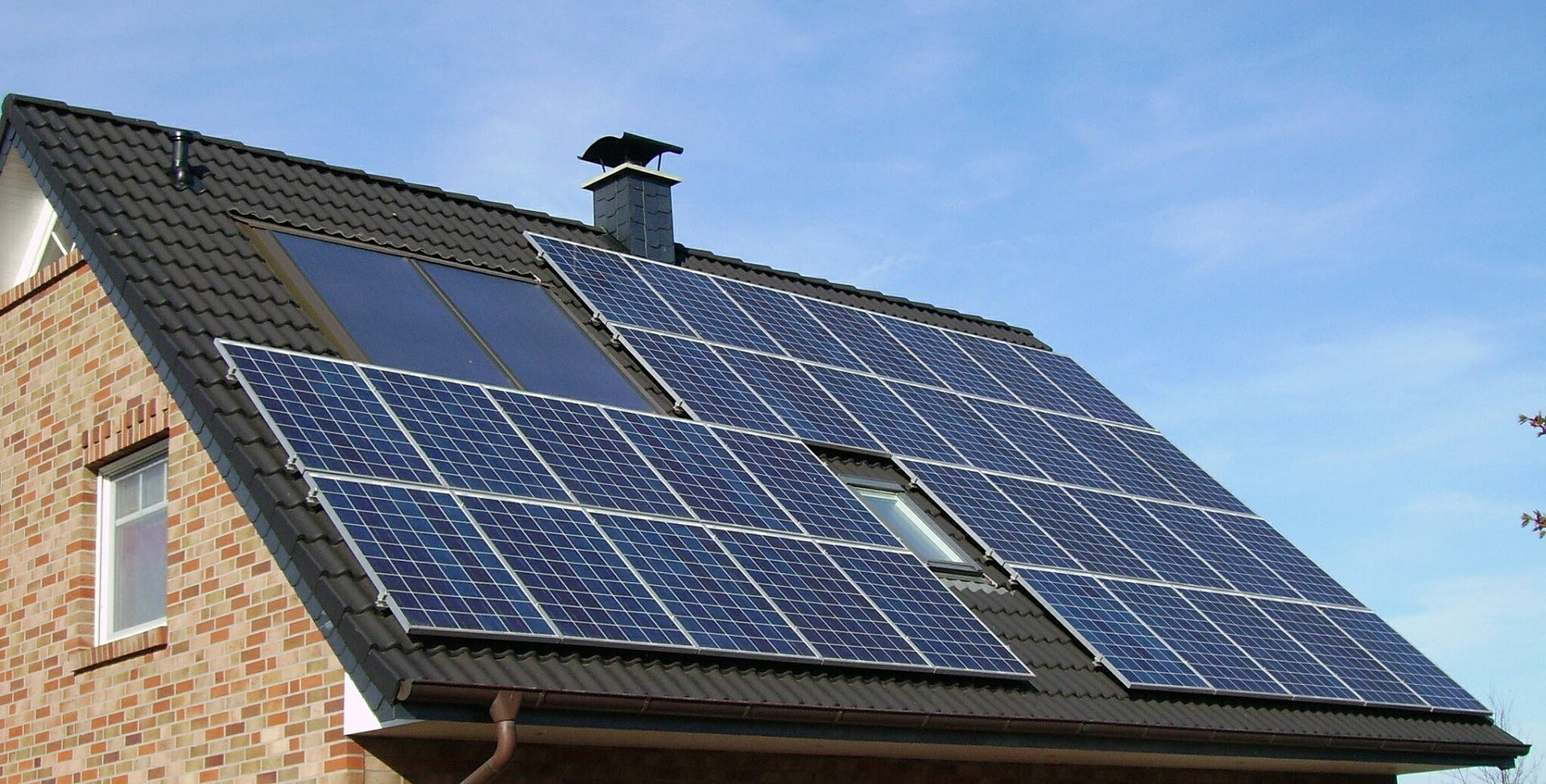
Typical installed prices by system size
The prices below are for a complete, MCS-certified installation: panels, inverter, mounting hardware, scaffolding, wiring, the network operator notification and commissioning. They already include the 0% VAT that applies to residential solar in the UK.
| System size | Panels (approx.) | Typical installed cost | Suits |
|---|---|---|---|
| 3 kWp | 7–8 | £5,000–£6,500 | Smaller homes, lower usage |
| 4 kWp | 10–12 | £5,500–£8,000 | Typical 3-bed home |
| 5–6 kWp | 13–15 | £7,000–£9,500 | Larger homes, EV owners |
| 4 kWp + 5kWh battery | 10–12 | £10,000–£14,000 | High evening usage |
Two homes can be quoted very different prices for an apparently identical system. The variation comes down to roof complexity, the number of storeys (which affects scaffolding), inverter choice, panel brand and the installer's own overheads. This is exactly why we always recommend gathering several solar panel quotes rather than accepting the first.
Why the 0% VAT rule matters now
Since 2022 the UK has applied a 0% rate of VAT to qualifying residential solar installations, and this was extended to standalone battery storage in February 2024. This relief is currently scheduled to end on 31 March 2027, after which VAT returns to 5%. On a £7,000 system that 5% would add £350; the saving is more significant on larger systems with batteries. If you are already minded to install, there is a clear cost advantage to doing so before the deadline.
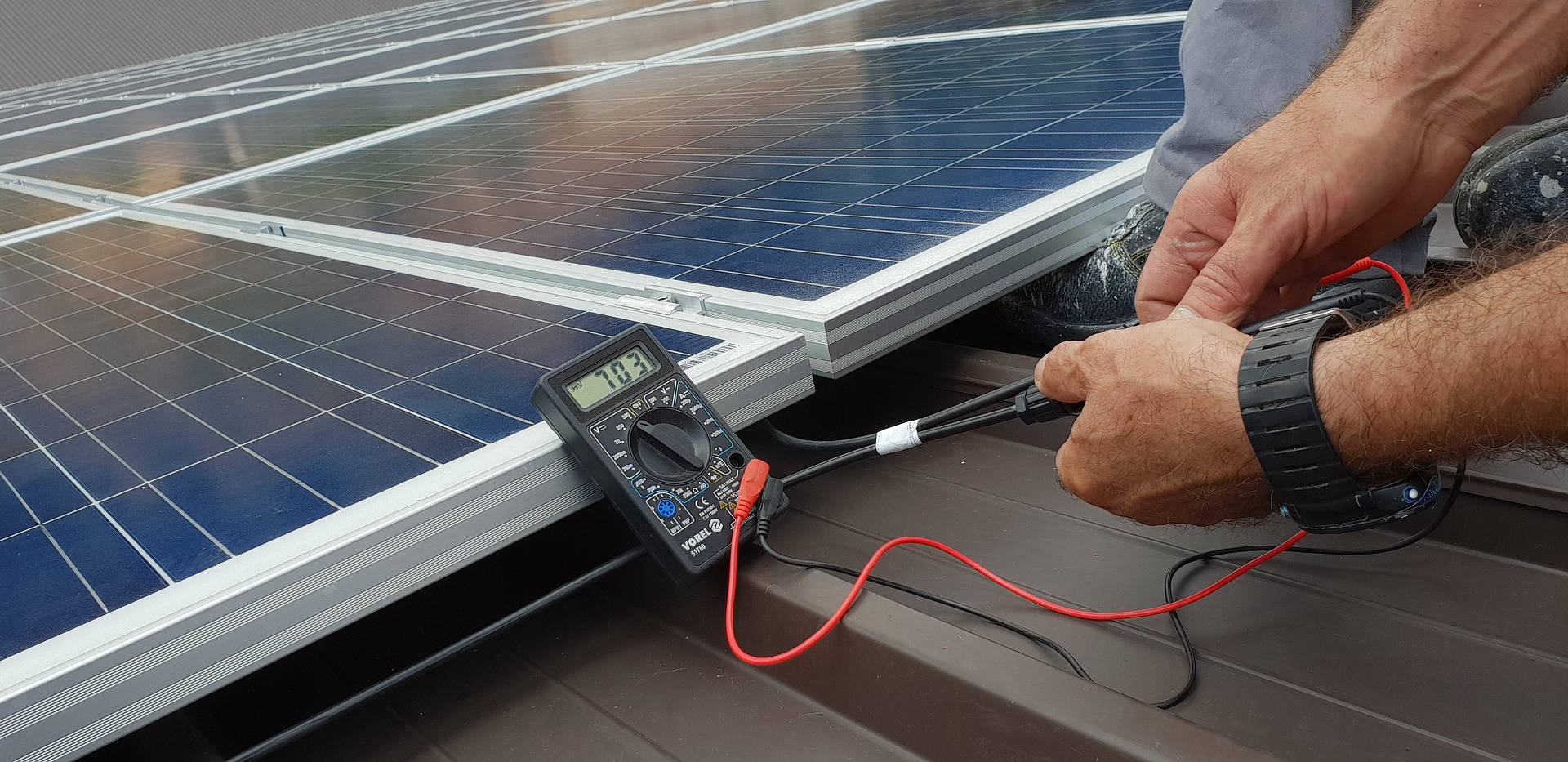
What a battery adds
A solar battery typically adds £2,500 to £6,000 depending on its capacity and brand. A 5kWh unit is the sweet spot for most three-bedroom homes; larger 10kWh-plus batteries make more sense if you have an EV charger, a heat pump or unusually high evening demand. Fitting the battery at the same time as the panels is cheaper than retrofitting later, because the electrical work and scaffolding are shared. A battery will not usually pay for itself as quickly as the panels alone, but it dramatically increases the share of your own generation you actually use — and paired with a time-of-use export tariff it can earn more from your exports too.
Payback and lifetime returns
For a typical 4kW solar-only system bought at a fair price, payback currently lands somewhere around nine to twelve years. After that, the system keeps generating for the remainder of its working life — panels are generally warranted for 25 years and often perform well beyond that. Over 25 years a well-sited system can return several thousand pounds more than it cost, once you count both the electricity you no longer buy and the Smart Export Guarantee payments you receive for surplus.
Three factors move payback the most: the price you pay (so shop around), how much of your generation you use yourself rather than export (a battery helps here), and your location and roof orientation. A south-west home in Devon will generate more than an equivalent roof in the Highlands, and a south-facing roof more than a north-facing one.
Costs to plan for beyond the panels
- Inverter replacement: budget roughly £800 to £1,200 once during the system's life, typically around year twelve.
- Cleaning: usually minimal — UK rain keeps panels reasonably clean — but an occasional professional clean can be worthwhile.
- Insurance: tell your home insurer; most cover panels as part of buildings cover at little or no extra cost.
Grants and funding worth checking
Beyond the 0% VAT relief, some households may qualify for additional help. Schemes targeting lower-income homes and properties with poor energy efficiency have, at various times, funded solar and insulation measures, sometimes covering a large share of the cost. Availability changes frequently and depends on income, benefits and where you live, so it is worth checking the current position with your local authority and on the official GOV.UK pages before assuming you must pay the full amount. Even where you do not qualify for a grant, the Smart Export Guarantee remains open to almost all MCS-certified installations.
How to compare quotes fairly
When comparing quotes, make sure you are comparing like with like. Check the total system size in kilowatts-peak, the panel make and wattage, the inverter brand, whether a battery is included and at what capacity, the length of the workmanship and product warranties, and crucially whether the price is genuinely all-inclusive. A quote that looks cheap may use budget components or omit scaffolding. We always recommend obtaining at least three quotes from MCS-certified installers; our page on five questions to ask a potential installer gives you a simple checklist to use on each call.
Do panel prices vary by region?
Yes, modestly. Labour rates, scaffolding costs and even how busy local installers are all influence the final figure, so quotes in London and the South East often sit slightly higher than in parts of the North or Wales. Generation potential also varies — a south-facing roof in Cornwall will out-produce the same roof in northern Scotland by perhaps 10 to 15% — which affects payback as much as the purchase price. None of this should put you off; it simply means a quote from one part of the country is only a rough guide to another, and that your own roof and location deserve a tailored figure.
Financing and paying for solar
Most homeowners pay outright, and because the system then earns and saves money from day one, it behaves like an investment rather than a cost. Some installers offer finance, which spreads the outlay but adds interest, so weigh the monthly repayment against your expected energy savings. Whatever route you choose, never let the availability of finance pressure you into a rushed decision — the panels will still be there next week, and so will a fair price.
Are cheap solar panels a false economy?
Often, yes. The lowest quote can mean budget panels, a weak inverter or a less experienced fitter, any of which can cost you more over time through reduced output or early failure. That does not mean the most expensive quote is best either. The aim is fair value: a reputable, MCS-certified installer, good-quality components with sensible warranties, and a clear, single-figure quote. Our page on cheap solar panels explains the warning signs to watch for.
